Is Travel Medical Insurance Worth It? We Said No for Years
This post is sponsored by SafetyWing and contains affiliate links. We may earn a commission at no extra cost to you if you purchase through our links. Our policy is to only work with companies we’d recommend to a friend, and everything below reflects our own experience and opinions. Full disclosure →
Travel medical insurance is the line item everybody skips. It’s the last thing on the list, and it’s the one purchase where the goal is to never use it, which then just feels like you wasted the money.
We skipped it for years and felt pretty clever about having more room in the budget for a second round at whatever cute pub we’d found that day.
Then we got sick in Scotland with no travel medical insurance, and we found out what that actually costs.
What happens if you get sick abroad without travel medical insurance?
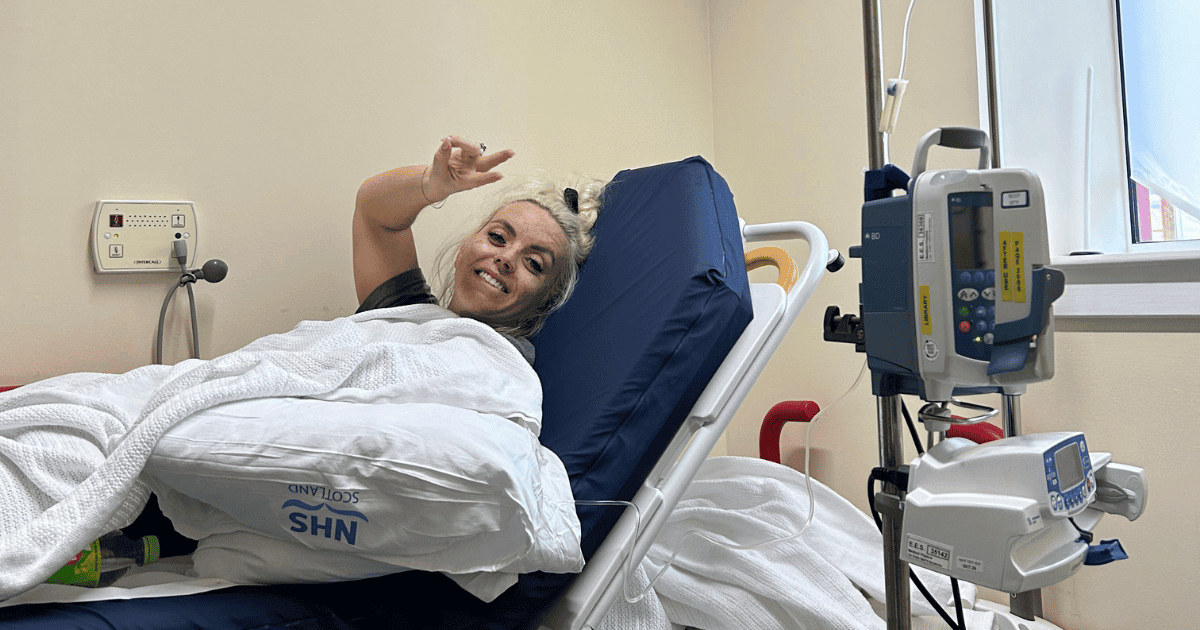
Day one of a three-day bus tour, Nick went down hard. Day two I went to the Isle of Skye without him. Day three I woke up worse than he’d been, couldn’t get out of bed, and we had to check out of a hotel that was fully booked.
Nick walked our luggage a mile and a half across Inverness to a room he’d found on foot, came back for me, and then we went to the hospital, where I found out I had E. coli.
We got the full thing written up here if you want it, including the part I’m least proud of: what it’s actually like to get sick abroad.
What matters for this post is what it costs.
The bill shows up in pieces
Here’s the thing nobody tells you. The hospital was the cheapest part of that day.
We paid for a tour we didn’t finish, plus an extra night and extra meals in Inverness that were never in the plan. There was also a hotel room sitting empty in Edinburgh, because we’d booked it months earlier and there was nobody to call about it. Then came the train back to Edinburgh to catch up with our own trip.
Every single one of those costs is exactly what travel medical insurance is built to absorb. We thought we could outsmart paying for that coverage and we ended up paying for everything else instead.
And that was still the best-case scenario without travel medical insurance. We never sat down afterward and asked ourselves what would have happened if it had gotten one degree worse. I could have needed to be admitted instead of treated and sent back to the hotel. We could have needed two last-minute flights home. Nick could have gotten sick again while he was the one holding everything together, or we could have ended up paying for another night in one city while still eating the cost of the hotel we’d already booked in the other.
Do you really need travel medical insurance?
Four assumptions we made, and what we got wrong about each one.
Is healthcare free in most countries if you’re a tourist?
This is the assumption we hear most, and there’s a reason it’s common. Plenty of countries do have public systems that are free or heavily subsidized, and that reputation isn’t wrong…exactly. It’s just built around the people who live there and pay into it through taxes. Visitors usually sit under a different set of rules, which vary a lot depending on the country and the passport you’re carrying.
Emergency care is often the part that’s covered for anybody who walks in. Everything after that first visit is far less predictable, and that’s usually where a bill finds you.
Can I use my regular health insurance when traveling internationally?
Maybe, but probably not the way you’re picturing, and this is the one most people don’t plan for. A lot of domestic plans either stop at the border or cover you abroad only for true emergencies, only as secondary coverage, and only if you pay the bill yourself first and file for reimbursement months later.
That last part is the piece that matters when you’re standing at a hospital desk in a country you don’t live in. Call the number on the back of your card before your next trip and ask specifically. That alone may be the nudge you need to make sure you’re covered with travel medical insurance.
Does my credit card’s travel insurance cover medical costs?
Some cards do carry real benefits, so this one isn’t a flat no. They tend to be strongest on trip delay, trip cancellation, and lost baggage, and much thinner on medical, which is often limited, secondary, or missing entirely.
Pull up your card’s benefits guide and look for emergency medical and emergency evacuation specifically.
Will somebody get me home if it’s serious?
This is the assumption that rattled us most, because we’d never once questioned it. The State Department is blunt about it: the US government doesn’t pay medical costs for citizens traveling abroad, and Medicare and Medicaid don’t cover care outside the country.
Getting flown home by air ambulance is on you, and they put that cost between $20,000 and $200,000. That isn’t a travel expense, that’s a second mortgage.
So what is travel medical insurance, exactly?
Part of why we avoided this for so long is that we didn’t understand what we were shopping for. Travel insurance gets used as one big umbrella term, and the thing that burned us years earlier wasn’t the same product as the type of insurance that would have helped us in Inverness.
Travel medical insurance is the piece that deals with getting sick or hurt while you’re outside your home country. The hospital visit, the clinic, the emergency, the ambulance, and the situation where your plan at home either doesn’t follow you abroad or follows you in a much thinner way than you’d assume.
What Nomad Insurance Essential actually covers
SafetyWing’s version is called Nomad Insurance Essential, and here’s what actually mattered to us about it as two people with full-time jobs and a fixed number of days off.
You buy it for your actual trip dates. Not a rolling subscription you have to remember to cancel. You put in your dates and the countries you’re going to, and that’s it. For anyone whose travel is built around PTO rather than an open-ended life on the road, this is the whole difference.
Emergency medical care and accidents are the core of it. That’s the hospital visit, the clinic, the ambulance. The exact stuff we were guessing at in Inverness.
It covers the fallout, not just the medicine. Lost checked luggage, and meals and accommodation when a delay strands you somewhere. Remember that the hospital was the cheapest part of our bad day. SafetyWing’s Nomad Insurance Essential would have been a big help.
You can buy it once you’ve already left. Unusual but also useful if you’re reading this three days into a trip without insurance.
No deductible. Which removes the “is this even worth claiming” math that makes people not bother.
The annual plan comes with a prepaid card. If you travel more than once a year, going annual saves you 10% and comes with a SafetyWing prepaid debit card that covers medical expenses up to $150. That means not handing over your own card at a hospital desk in a country you don’t live in, which is the exact moment we were dreading in Inverness.
There are add-ons if you need them. Electronics theft is the one that caught our attention, because we travel with a camera and a drone and we’d never really thought about what happens if either of them walks off.
What we found in the reviews
Why this company? We read the bad reviews first, the way we do with anything we’re about to spend money on. The pattern is that simple claims move quickly, which is great. But there are frustrations around pre-existing conditions and long document requests on complicated cases. None of that surprised us and none of it changed our minds, but we’re always going to be transparent with you so you’re informed before going in.
See what Nomad Insurance Essential covers
Put in your dates and your destination and you’ll have a number in about a minute.
What we can’t tell you, and what we can
We can’t tell you what SafetyWing would have paid for that hospital visit, because we didn’t have a policy. We’re not going to invent a story we didn’t live.
What we can tell you is what changed.
We used to think travel medical insurance was money you spent to feel better about a risk you were never really going to face. We don’t think that anymore, and it isn’t because somebody sold us on it. It’s because we spent a day inside the exact situation these policies exist for.
There would have been a number to call while Nick was knocking on doors. Somebody whose actual job was to find us a room and sort out the hospital, instead of two sick people guessing at it in a country we’d been in for eleven days.
My actual instinct that morning was to call my mom, which tells you exactly how much of a plan we had, and also, she was an ocean away and could not do one single thing about any of it. I needed someone who could actually help me.
When to buy it, and what it runs
Buy it when you book your flights because some benefits are tied to how soon after your first booking you buy, and practically speaking it’s the only way it doesn’t quietly fall off your list.
On price, coverage for a trip like ours lands in the range of a nice dinner out. Run your own dates through a quote, because cost moves with your age and your trip length.
Price out travel medical insurance at the same time you book your flights, not the week before you leave. It takes about five minutes and it’s the only travel decision we’ve ever regretted skipping.
The question worth asking
If you’ve decided travel medical insurance is a waste because a policy lets you down once, we get it completely, because we held that position for years.
The question that finally moved us isn’t whether it’s a good deal on the trips where nothing happens, because on those trips it never is.
It’s whether you’d rather be the person making a phone call from your hotel room, or the person walking a mile and a half across an unfamiliar city with everything you packed, hoping somebody has a bed.
We know which one we were.
Travel medical insurance questions we get asked
Before you close this tab
If you’re where we were two years ago, do the five-minute version of what we didn’t do. Pull up your dates, get a number, and decide with actual information instead of a feeling you formed once and never went back and checked.




Travel Insurance for us is a must have and would highly recommend!
Thank you for sharing your stories and first hand experiences
Good to know
Still a little surreal to have written this one. If you have ever gotten sick abroad, we would love to hear how you handled it, because we learned most of what we know here the hard way.